A Flavorful Journey Through New Orleans Gumbo Collard Greens and Shrimp

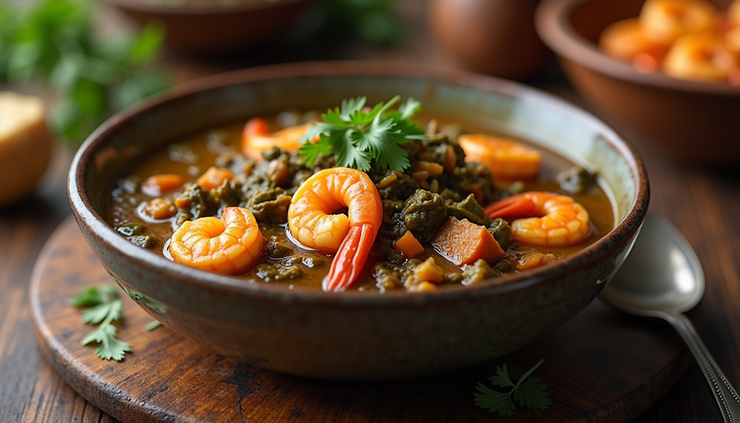
New Orleans cuisine is a rich blend of cultures, flavors, and traditions that come together in some of the most beloved dishes in the United States. Among these, gumbo, collard greens, and shrimp stand out as iconic staples that tell the story of the city’s culinary heritage. Exploring these dishes offers more than just a taste experience—it reveals the history, community, and passion behind New Orleans cooking.
The Roots of New Orleans Gumbo
Gumbo is often called the heart of Louisiana cooking. This dish originated from a mix of African, French, Spanish, and Native American influences, reflecting the diverse cultures that shaped New Orleans. The word "gumbo" itself comes from a West African term for okra, a key ingredient in many gumbo recipes.
At its core, gumbo is a thick, flavorful stew that combines a rich stock, meat or seafood, vegetables, and a thickening agent like roux or okra. The dish varies widely depending on family traditions and local ingredients, but the soul of gumbo lies in its deep, layered flavors.
Key Ingredients in Gumbo
Roux: A cooked mixture of flour and fat that gives gumbo its signature thickness and nutty flavor.
The Holy Trinity: Onion, celery, and bell pepper, which form the flavor base.
Okra or Filé Powder: Used to thicken and add unique texture.
Seafood or Meat: Shrimp, crab, sausage, chicken, or a combination.
Spices: Cayenne pepper, thyme, bay leaves, and black pepper.
Each cook brings their own twist, but the balance of these elements creates the gumbo that New Orleans is famous for.
Collard Greens: A Southern Staple with a New Orleans Twist
Collard greens are a classic Southern side dish, but in New Orleans, they take on a special character. Slow-cooked with smoked meats like ham hocks or turkey, collard greens become tender and infused with smoky, savory flavors that complement the boldness of gumbo.
How Collard Greens Enhance the Meal
Texture Contrast: The leafy greens provide a pleasant chewiness against the smooth gumbo.
Flavor Balance: The slight bitterness of collard greens balances the rich, spicy gumbo.
Nutritional Boost: Packed with vitamins A, C, and K, collard greens add a healthy element to the meal.
Cooking collard greens slowly over low heat allows the flavors to meld and the greens to soften without losing their vibrant color.
Shrimp: The Seafood Star of New Orleans
Shrimp plays a starring role in many New Orleans dishes, especially gumbo. The Gulf of Mexico provides fresh, sweet shrimp that add a delicate seafood flavor and tender texture to the dish.
Why Shrimp Works So Well in Gumbo
Flavor: Shrimp’s natural sweetness contrasts with the spicy, savory gumbo base.
Texture: Firm yet tender, shrimp holds up well in the stew without becoming rubbery.
Versatility: Shrimp can be added at different cooking stages to control texture and flavor intensity.
Shrimp also pairs beautifully with collard greens, whether cooked together or served side by side, creating a harmonious plate that celebrates the bounty of Louisiana waters and farms.
Making Authentic New Orleans Gumbo with Collard Greens and Shrimp
Creating this dish at home requires attention to detail and respect for tradition. Here’s a basic guide to making gumbo with collard greens and shrimp:
Ingredients
1 cup flour
1 cup vegetable oil
1 large onion, chopped
1 bell pepper, chopped
2 celery stalks, chopped
4 cups chicken or seafood stock
1 pound shrimp, peeled and deveined
2 cups collard greens, chopped
2 smoked ham hocks or turkey wings
2 cloves garlic, minced
1 teaspoon thyme
2 bay leaves
Salt and pepper to taste
Cayenne pepper or hot sauce (optional)
Steps
Make the roux: Heat oil in a large pot over medium heat. Stir in flour continuously until the mixture turns a deep brown color, about 15-20 minutes. Be careful not to burn it.
Add the Holy Trinity: Stir in onions, bell pepper, and celery. Cook until softened.
Add stock and smoked meat: Pour in stock and add ham hocks or turkey wings. Bring to a simmer.
Cook collard greens: Add collard greens and cook for 30-40 minutes until tender.
Add shrimp and seasonings: Stir in shrimp, garlic, thyme, bay leaves, salt, pepper, and cayenne or hot sauce if desired. Cook until shrimp turn pink, about 5 minutes.
Serve: Remove bay leaves and meat bones. Serve gumbo hot over rice for a complete meal.
Tips for Perfect Gumbo Every Time
Patience with roux: The roux is the foundation of gumbo flavor. Stir constantly and watch the color carefully.
Fresh ingredients: Use fresh shrimp and greens for the best taste and texture.
Adjust spice levels: New Orleans gumbo can be spicy, but adjust cayenne and hot sauce to your preference.
Rice pairing: Gumbo is traditionally served over white rice, which soaks up the flavorful broth.
The Cultural Significance of Gumbo, Collard Greens, and Shrimp
These dishes are more than food in New Orleans. They represent community, celebration, and resilience. Gumbo often brings families together for Sunday dinners, holidays, and festivals. Collard greens and shrimp reflect the agricultural and fishing heritage of the region.
Sharing gumbo is a way to honor ancestors and keep traditions alive. Each pot tells a story of the people who made it, the land that provided the ingredients, and the city that embraces its culinary roots.
Exploring Variations Across New Orleans
While the classic gumbo with collard greens and shrimp is beloved, New Orleans offers many variations:
Seafood gumbo: Includes crab, oysters, and crawfish alongside shrimp.
Chicken and sausage gumbo: A meatier version with smoked sausage and chicken thighs.
Vegetarian gumbo: Uses mushrooms, okra, and other vegetables for a meat-free option.
Filé powder gumbo: Thickened with ground sassafras leaves instead of okra or roux.
Each version highlights different aspects of New Orleans cooking but shares the same spirit of bold, comforting flavors.
New Orleans gumbo with collard greens and shrimp invites you to experience a dish steeped in history and flavor. Whether you enjoy it at a local restaurant or make it at home, this meal connects you to a vibrant culture and a tradition of sharing good food with good company. Try making your own gumbo and discover why this dish remains a beloved symbol of New Orleans hospitality and taste.


Comments