The Importance of Print on Demand for Community Growth and Engagement

Print on demand (POD) has transformed how communities express themselves, connect, and grow. It offers a unique way for individuals and groups to share their identity, support causes, and foster a sense of belonging. This post explores why print on demand plays a crucial role in community development and engagement, highlighting practical examples and benefits.
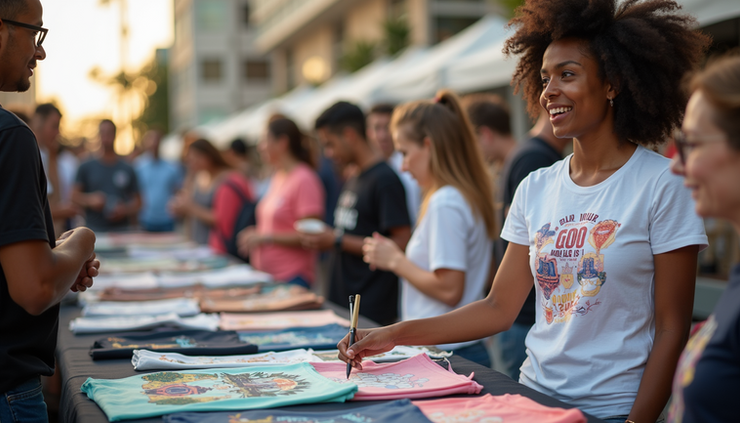
How Print on Demand Supports Local Identity
Communities thrive when members feel connected to their shared culture and values. Print on demand allows local artists, activists, and organizers to create merchandise that reflects their community’s unique identity without large upfront costs or inventory risks.
Affordable customization: Small groups can design and sell items like t-shirts, hoodies, and bags that feature local landmarks, slogans, or artwork.
Encourages creativity: Artists can experiment with designs that celebrate community history or current issues.
Builds pride: Wearing or using locally themed products strengthens residents’ sense of belonging.
For example, a neighborhood association might use print on demand to produce shirts promoting a community clean-up day. This not only raises awareness but also creates a visible symbol of participation.
Enabling Grassroots Fundraising and Support
Raising funds is often a challenge for community projects and nonprofits. Print on demand offers a practical solution by turning merchandise into a source of income without the need for large investments.
No inventory risk: Items are printed only after purchase, reducing financial burden.
Flexible campaigns: Groups can launch limited-time sales tied to events or causes.
Direct connection: Supporters receive tangible items that remind them of their contribution.
A local animal shelter, for instance, might sell custom mugs and shirts featuring shelter pets. This approach raises money for care and spreads awareness about adoption efforts.
Strengthening Community Engagement Through Shared Experiences
Print on demand products can serve as conversation starters and symbols of shared experiences, helping to deepen connections among community members.
Event memorabilia: Custom apparel or accessories commemorate festivals, sports games, or cultural celebrations.
Recognition and inclusion: Volunteer groups can create badges or shirts that acknowledge contributions.
Encouraging participation: Unique designs motivate people to join activities and feel part of something bigger.
Consider a community garden project that offers printed hats and aprons to volunteers. These items not only protect during work but also create a sense of team spirit.
Expanding Reach and Visibility for Community Causes
Print on demand enables communities to extend their message beyond local boundaries by offering merchandise online.
Global access: Supporters from outside the area can buy products and show solidarity.
Low overhead: No need for physical stores or storage space.
Easy updates: Designs can be refreshed to reflect new campaigns or milestones.
For example, a cultural heritage group might sell prints and apparel online to fund preservation efforts while sharing their story with a wider audience.
Environmental and Economic Benefits for Communities
Compared to traditional bulk printing, print on demand reduces waste and supports sustainable practices, which aligns with many community values.
Less overproduction: Items are made only when ordered, minimizing excess stock.
Local production options: Some POD services partner with local printers, supporting nearby businesses.
Encourages mindful consumption: Buyers choose products they truly want, reducing impulse purchases.
This approach helps communities promote responsible consumption while supporting local economies.
Practical Tips for Communities Using Print on Demand
To make the most of print on demand, communities should consider these strategies:
Choose meaningful designs that resonate with members and reflect shared values.
Promote products through events and social channels to boost visibility.
Collaborate with local artists and printers to keep the process authentic and community-focused.
Use merchandise as tools for engagement, not just fundraising.
Gather feedback to improve future designs and offerings.
By focusing on these areas, communities can create lasting connections and sustainable support.


Comments